She Will Adjust
Two people whose way of living was treated as a detail to be negotiated away, and what happened when somebody finally asked about it properly.
Read this straight through, like a story. It takes about eight minutes.
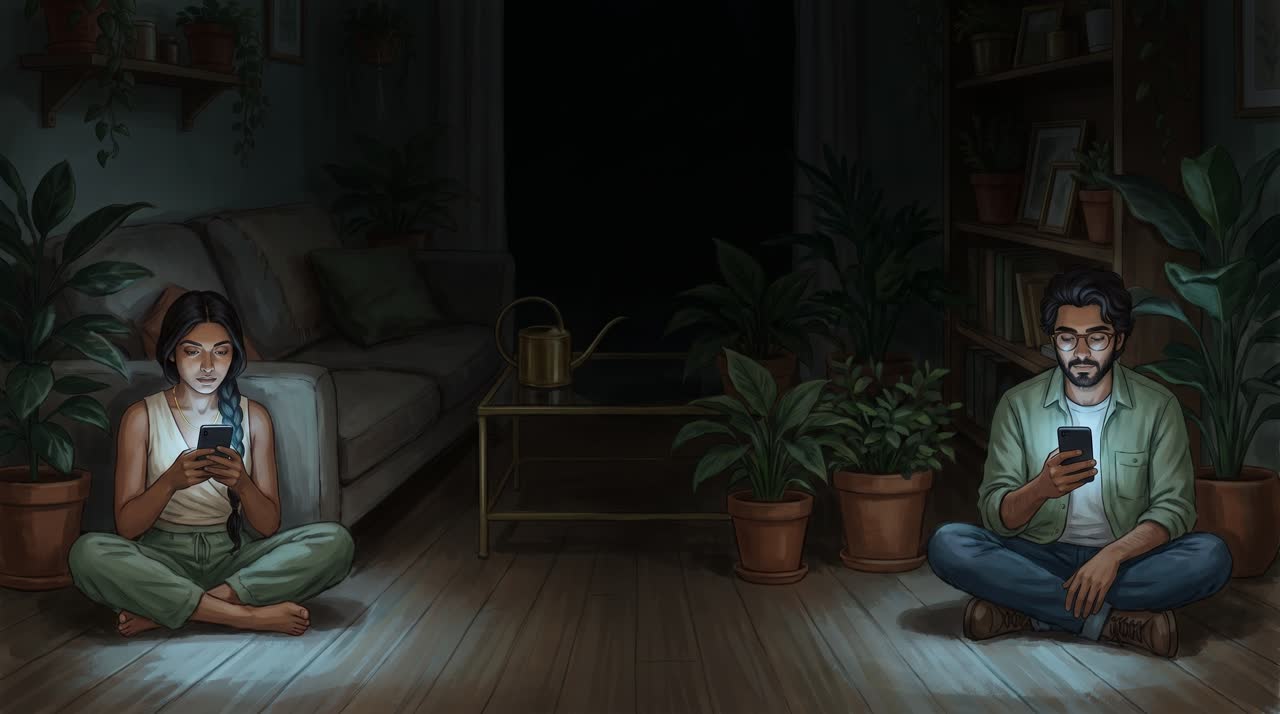
Two people you have never met
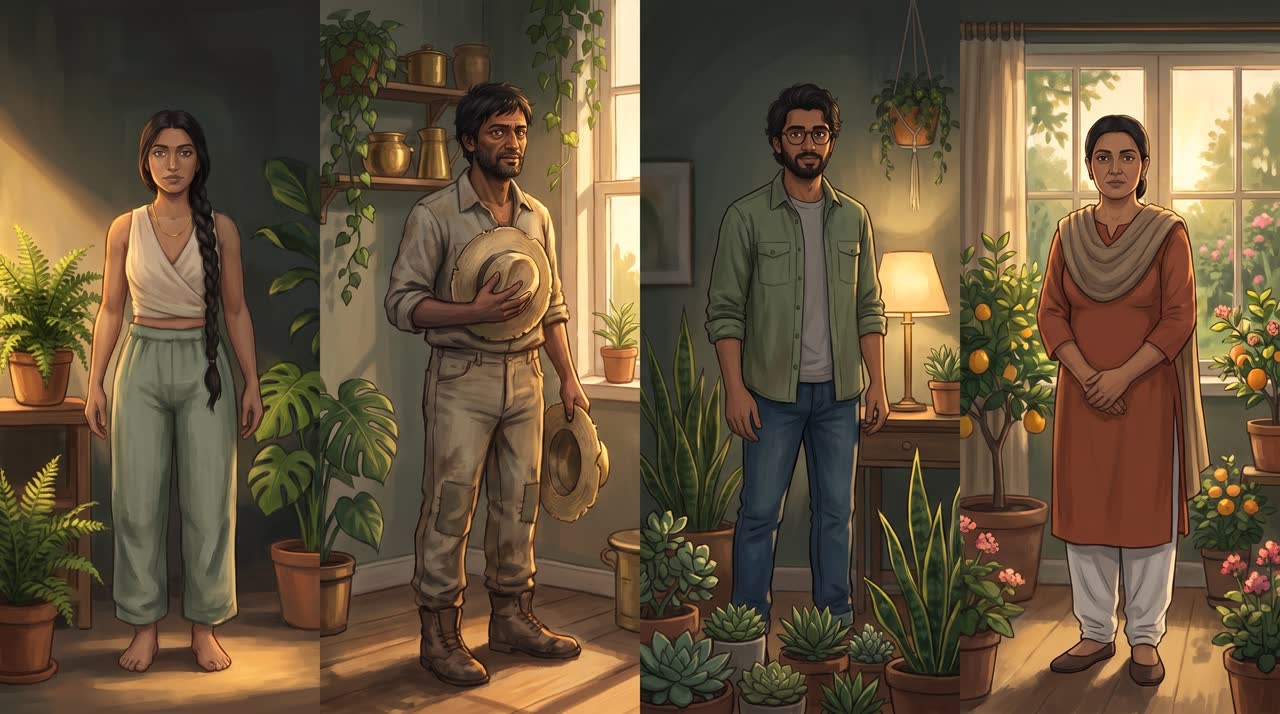
This is Anjali. She is twenty-six. She teaches yoga and she has eaten a sattvic diet since she was a child — simple, fresh, plant-based food, prepared calmly, meant to keep the mind clear as well as the body well.
And this is Rohan. He is thirty. He writes software, and two years ago he left the city because it was making him someone he did not like.
They have never met each other, and in this story they never will. But the same thing is happening to both of them.
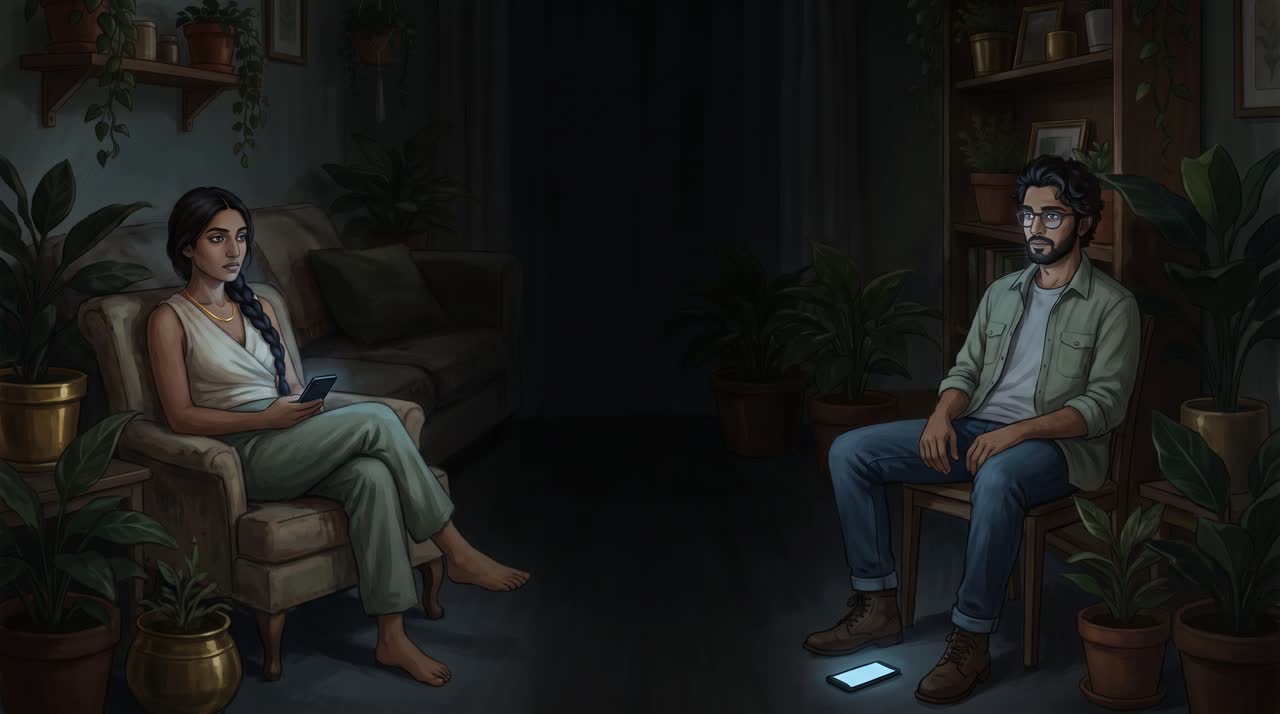
Both of them want to be married. Both of them are looking on their phones. And both of them are doing it entirely alone.
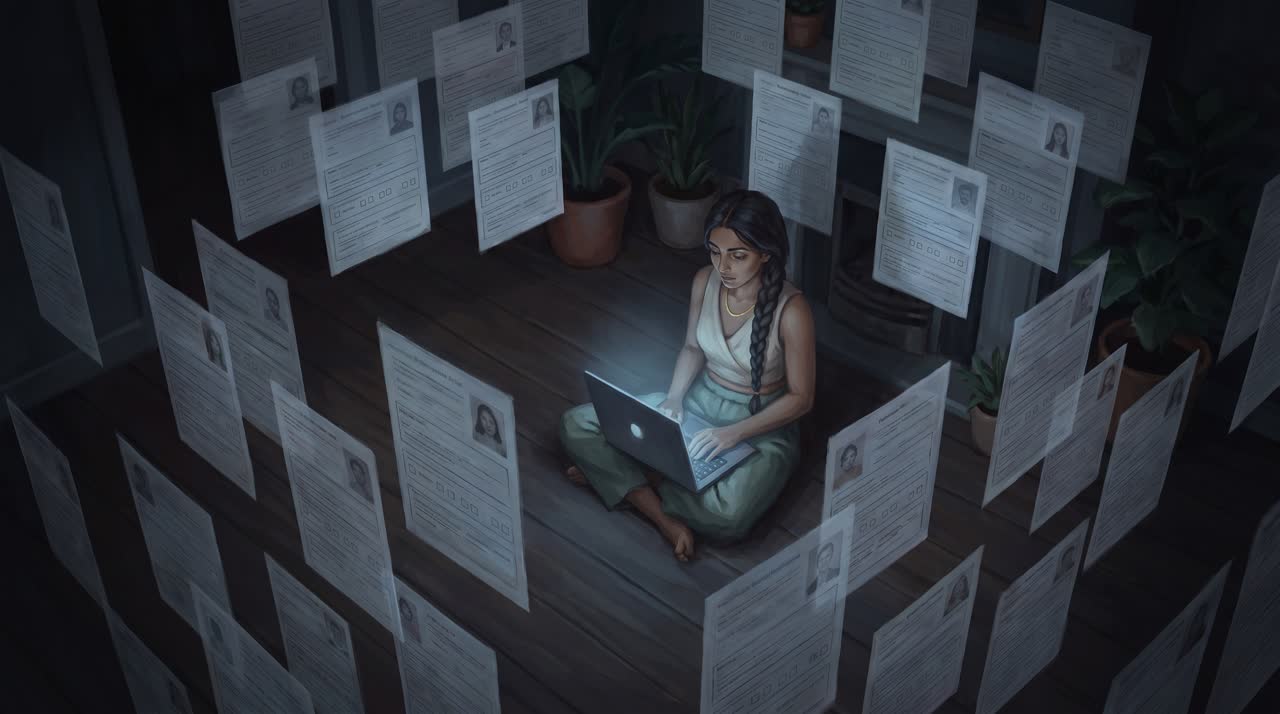
A person, reduced to a form
The matrimonial sites want a biodata — a single sheet about her. Height. Complexion. Caste. Salary. Her father's salary. A photograph taken standing very straight against a wall.
Nowhere on the form is there a line for the thing that actually governs her whole day. Not her diet as a label, but her diet as a practice: what she eats, when, how it is cooked, and why.
She writes it in the space marked Hobbies / Other.
The first four men who reply all say the same thing, and they say it kindly, as though it settles the matter. That's fine — she'll adjust.
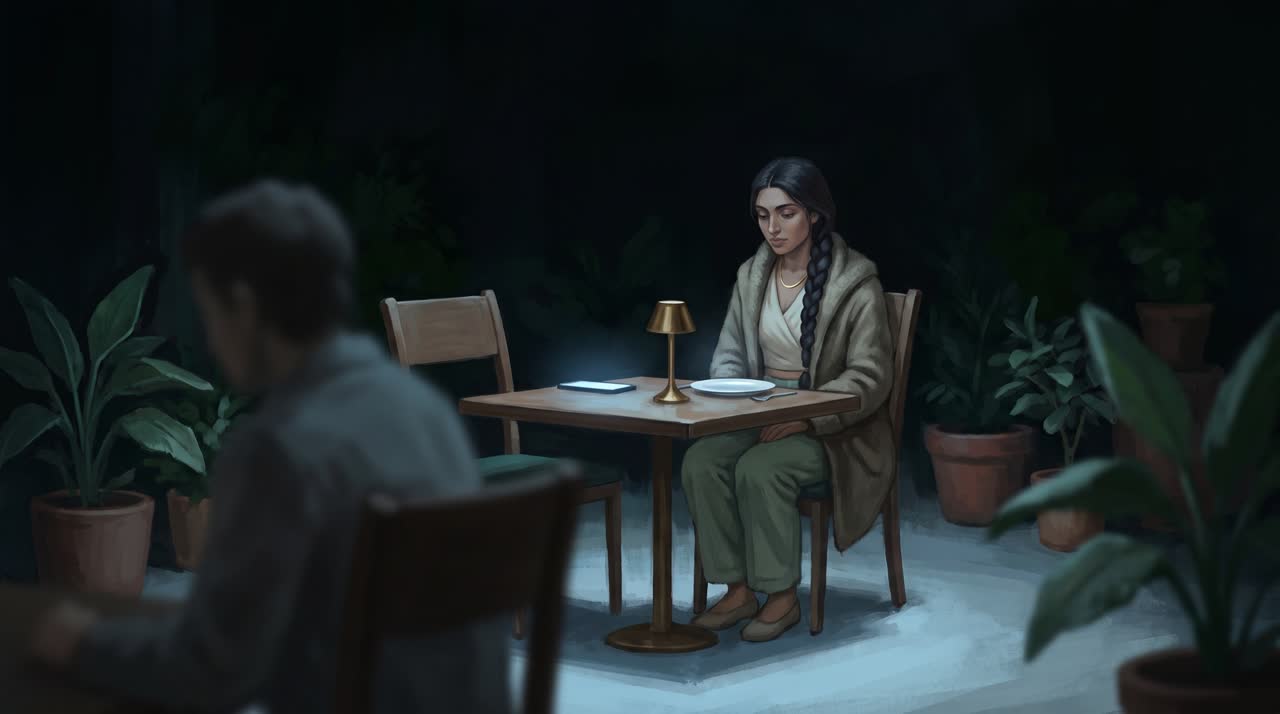
What “pure veg” turns out to mean
Every profile says pure veg. It is the easiest box on the form to tick.
At dinner she learns what it means to the man sitting opposite her. It means his mother's cooking is vegetarian. It means he eats whatever is going at work. It means eggs don't count, and fish is complicated, and on his brother's stag weekend, obviously, that's different.
He is not lying to her. He genuinely believes he has answered the question honestly, because nobody has ever asked him a harder version of it.
Anjali is not looking for someone to police. She is looking for someone whose ordinary Tuesday looks like hers.
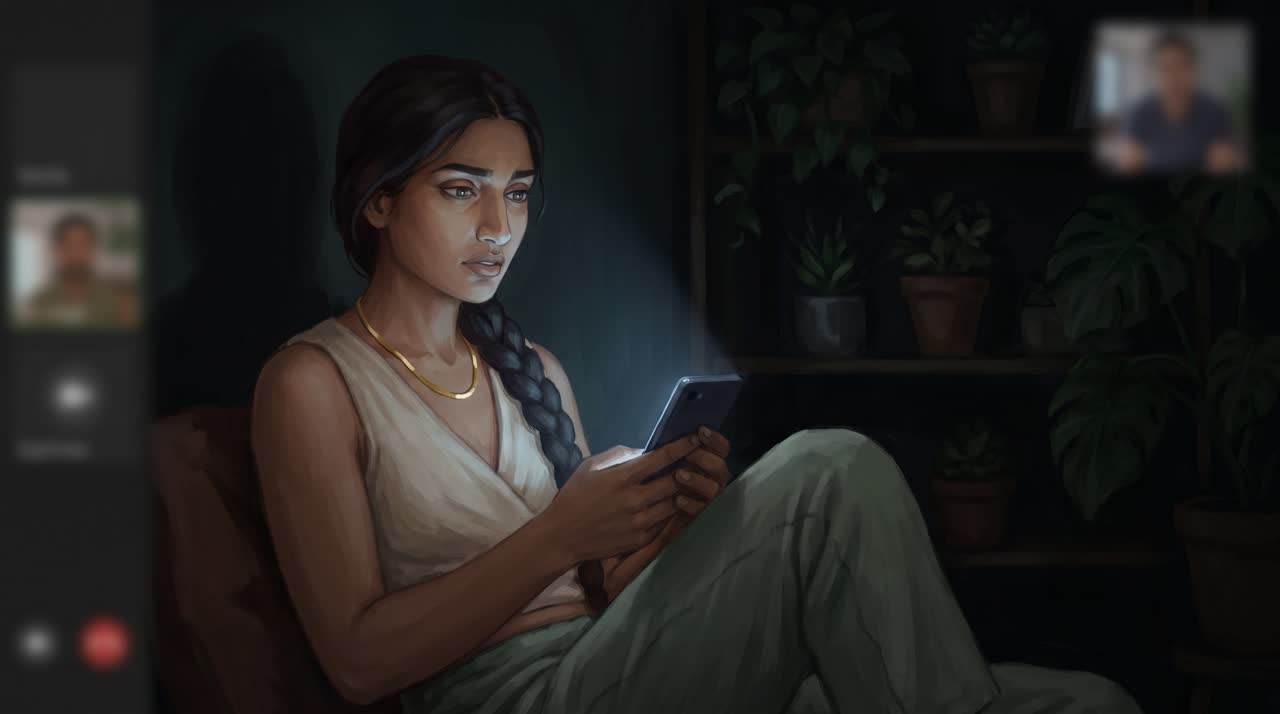
Being told you are special
Then a man finds her in an online sangha — a group that meets to study and meditate.
He tells her, within a fortnight, that her energy is rare. That he knew immediately. That most people are asleep and she is not. It is the most flattering thing anyone has ever said to her and it arrives in paragraphs, every night, at exactly the hour she is tired.
By week six he is explaining that a retreat he is running needs a deposit, and that her hesitation is fear, and that fear is the thing she came here to work on.
Anjali leaves the group. She also stops going to the one that meets in person, which she loved, because she is now embarrassed in a way she cannot explain to her mother.
Four thousand dollars
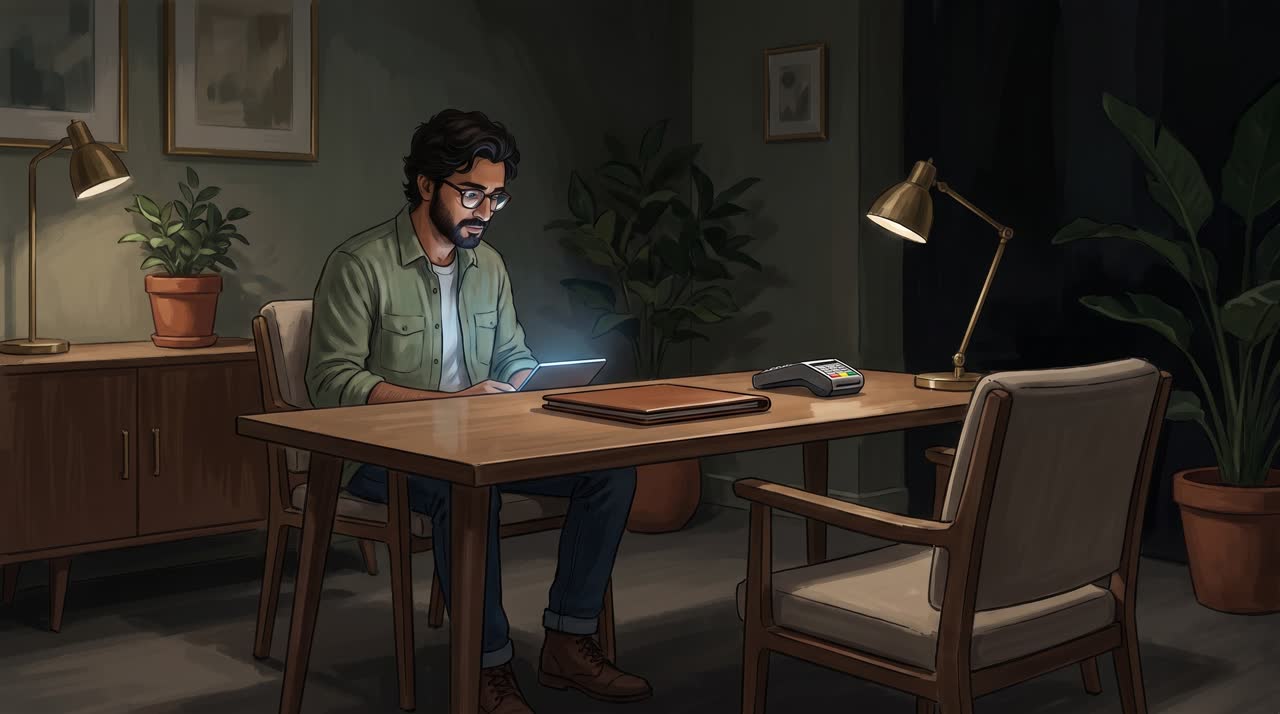
Rohan decides the problem is that these things should be done properly, by people, and pays a specialist introduction service four thousand dollars.
He explains, carefully, that he has left the city and is not going back. That he wants land, and quiet, and to grow things. That this is not a phase and not a midlife crisis at thirty.
They introduce him to four women over a year. Every one of them is a lovely person who lives in London and intends to keep living in London.
When he rings to ask, they tell him his expectations may be a little narrow for the market.
Worn out
By now Anjali has been looking for three years and Rohan for four.
Anjali has started describing her own life apologetically, as though it were an inconvenience she is sorry to bring.
Rohan has started saying I'm flexible about the one thing he is not flexible about.
Yes, very fast
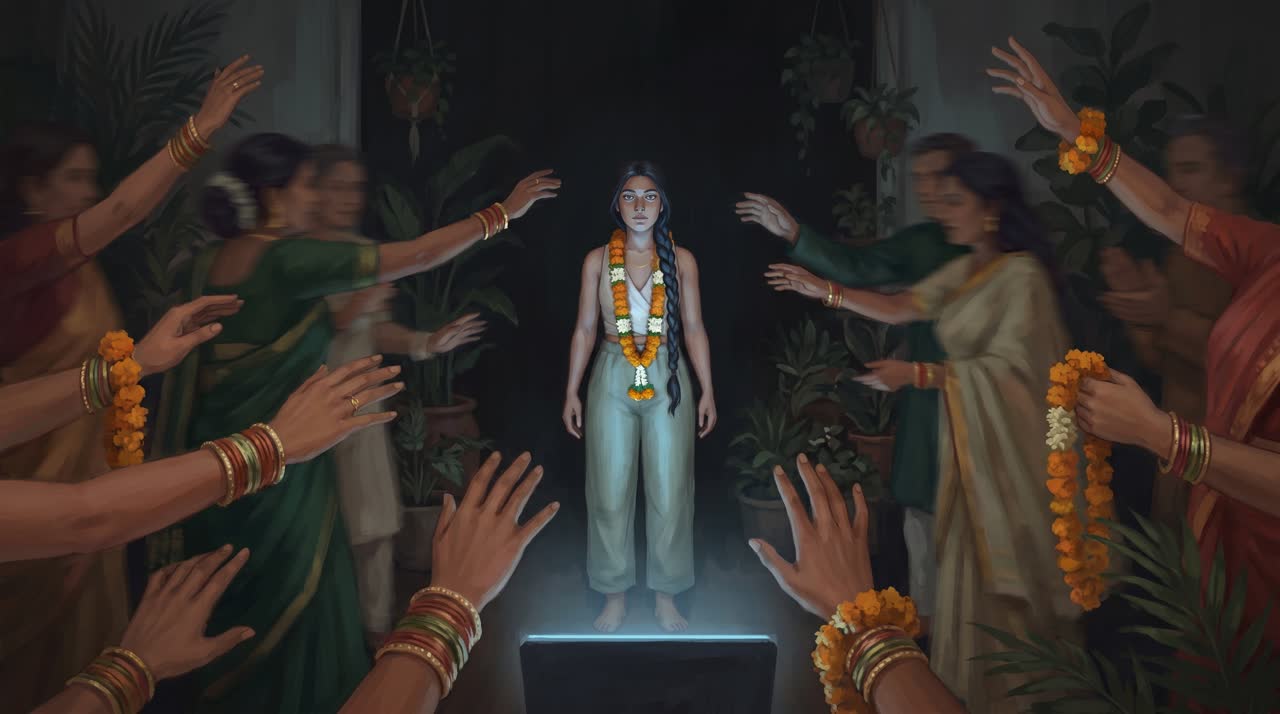
So when the families finally produce somebody suitable — somebody warm, and settled, and approved of — they both say yes very fast.
Anjali is married within seven months. Rohan within nine.
Everybody says: at last!
Nobody says: what did you actually ask each other?
The thing nobody asked: the kitchen
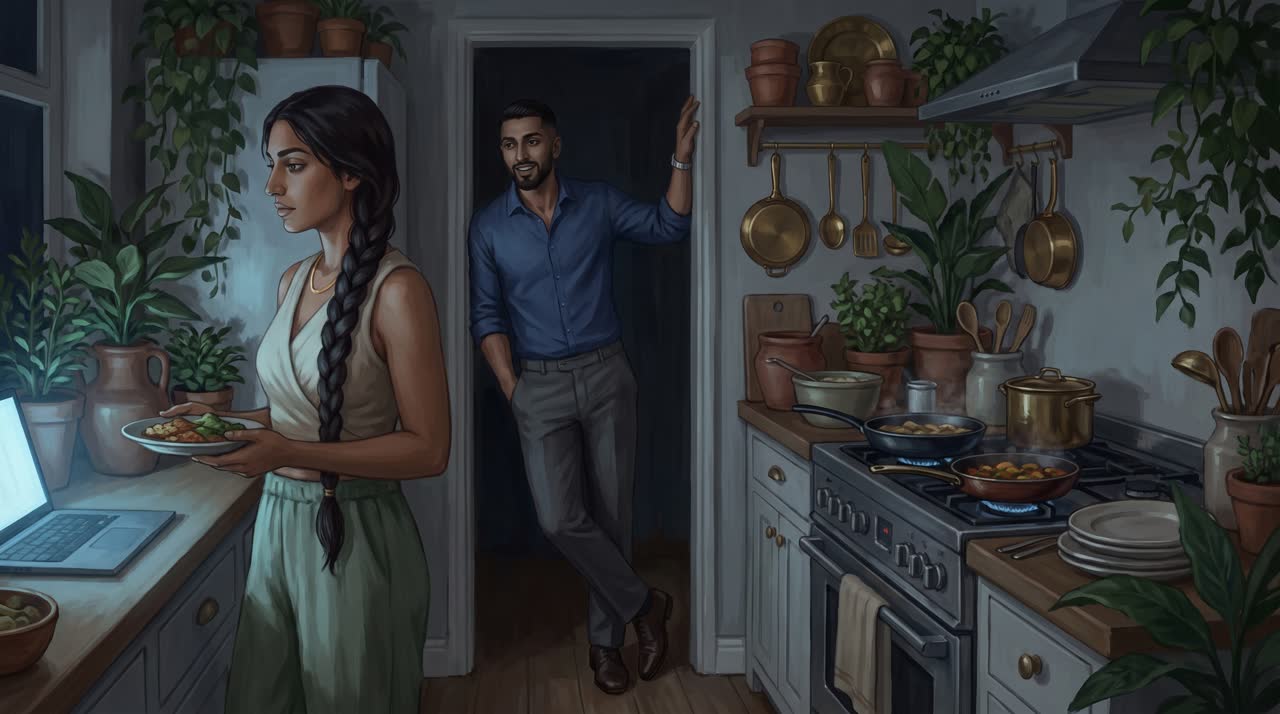
Anjali's husband Vikram is generous and funny and his family are kind to her.
He told her he was vegetarian. He is. What neither of them established is that the kitchen she has married into runs on onion and garlic and a great deal of chilli — food she has not eaten in twenty-six years, for reasons that are not a preference and are not a fad.
His mother cooks for eleven people every evening and cannot make a separate meal, and should not have to.
Vikram is baffled that this is a problem. It is vegetarian. He is not being cruel. He simply never understood that there was a further question underneath the one he answered.
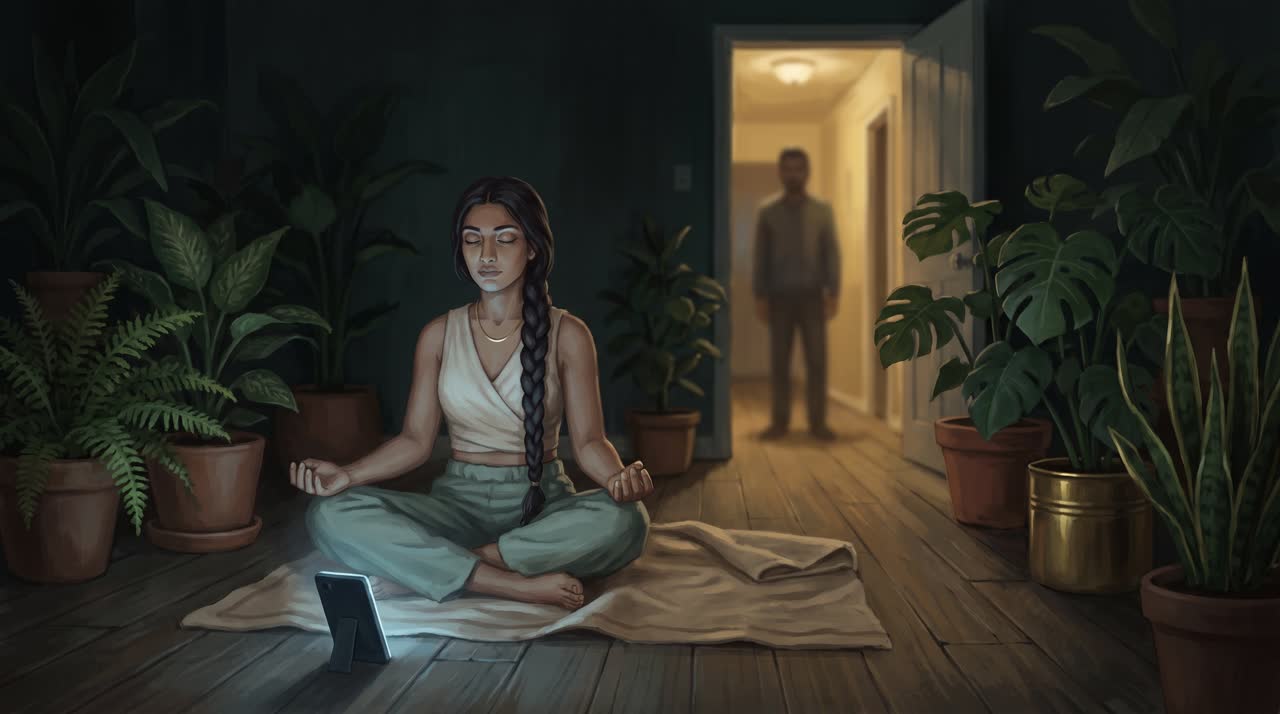
The thing nobody asked: the hour before dawn
She has risen before five for years to sit and practise. It is the hour that makes the rest of the day possible.
In the new house it wakes people. It is discussed, first as a charming quirk, then as a scheduling problem, and finally as a thing she is doing at them.
Her mother-in-law asks, not unkindly, how long she plans to keep it up.
Anjali understands then that everybody has been waiting, politely, for her to stop being who she is.
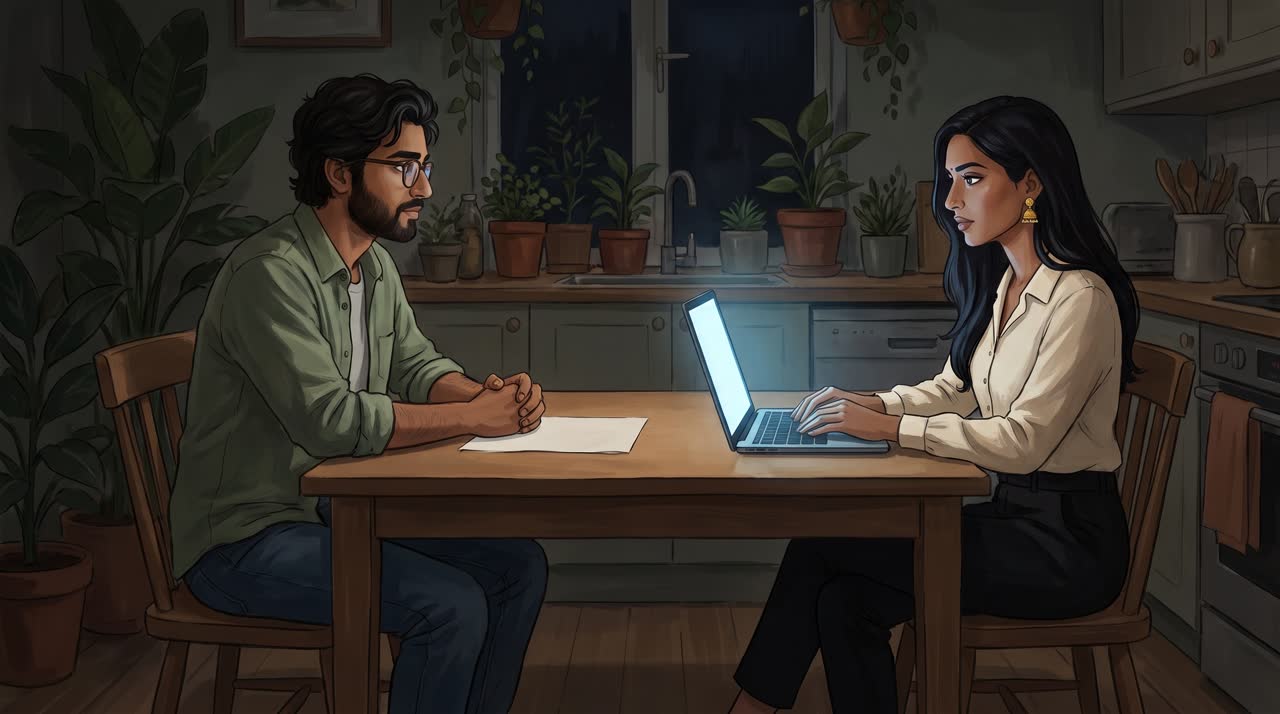
The thing nobody asked: the wedding
Rohan's wife Priya is warm and quick and he liked her immediately.
The wedding was six hundred people, because that is what was expected, and expected is not a thing anybody said out loud in a sentence with a number in it. Rohan borrowed twenty-eight thousand dollars and did not tell her, because he did not want her family to think less of him.
And there is the other thing, the one they both somehow left. He assumed she would come and live in the countryside with him eventually. She assumed the countryside was where they would visit at weekends.
They had agreed on everything that could be agreed on in a week, and nothing that takes a lifetime.
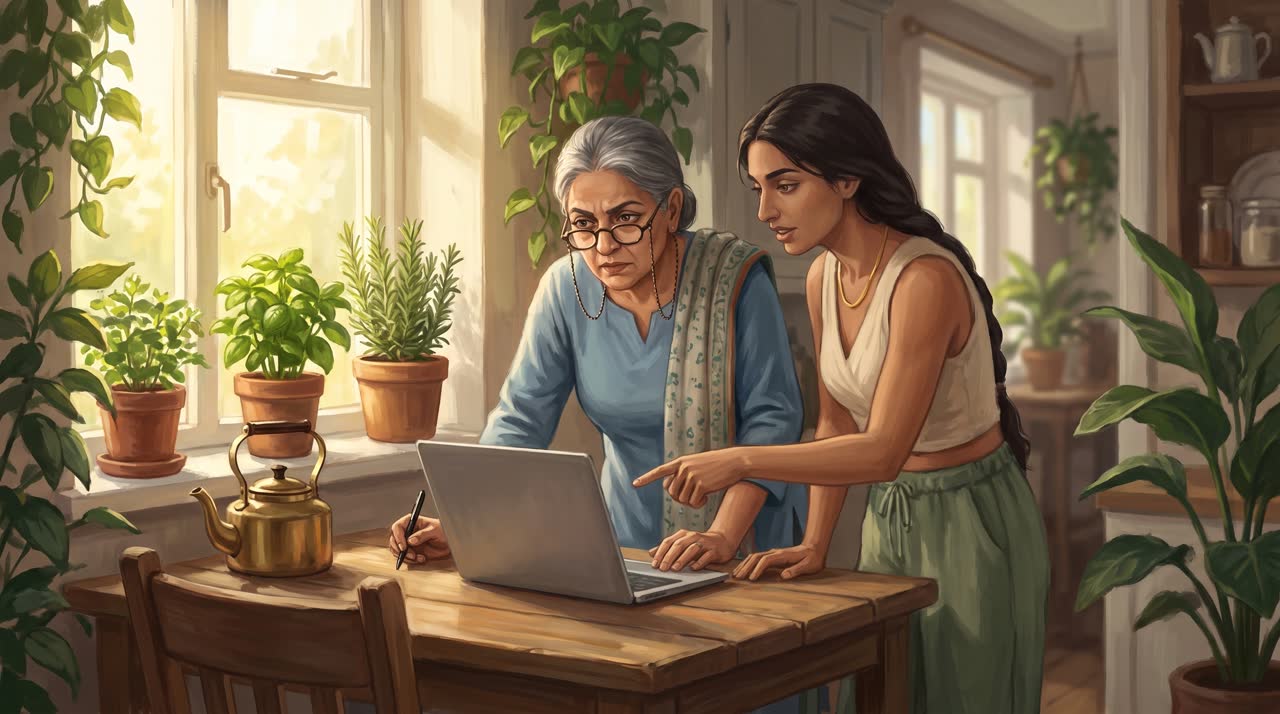
Now imagine all of that again
Now go back to the beginning and run those same years again — but this time on IMANAH Match.
Anjali's mother is squinting at it, because every website says free, and she has watched a great many websites disappoint her daughter.
This one is still free at the exact point where the others start asking for money. She can see who has been verified, and by whom.
And there is a place on it for her — not as a formality, and not hidden. IMANAH expects the family to be in the room, because they always were, right up until we all decided this should be done alone at midnight on a telephone.
She reads the line at the top of the page. Looks fade. Character endures.
Then she sits down properly, for the first time. “Right. Show me.”
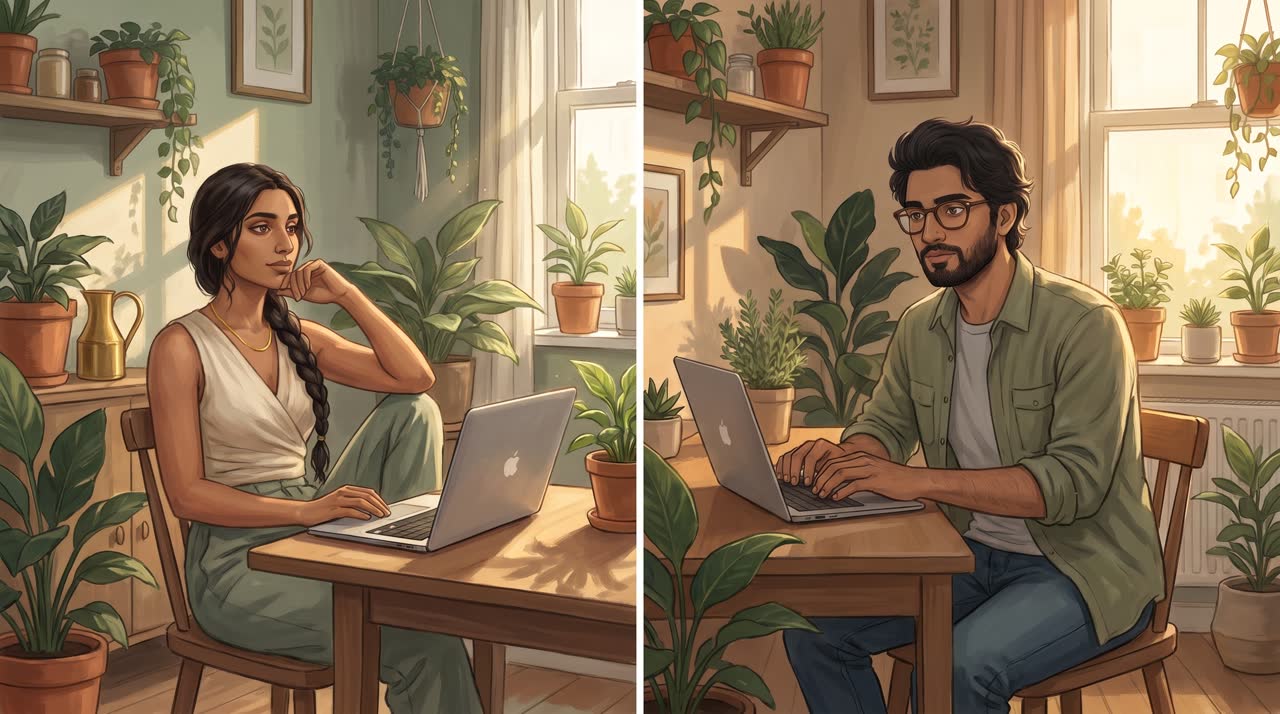
Being told the truth about yourself
Before anybody is introduced to anybody, IMANAH does something nobody expects. It shows each of them what other people honestly made of them.
Anjali is told: you have described your practice in a way that sounds like an apology. Eight people said they could not tell whether this mattered to you a great deal or a little. You are asking to be accepted while making yourself easy to overlook.
Rohan is told: you have written flexible six times. Two people asked the same question — flexible about what, exactly? You have not once said the word countryside, and it is the single most important fact about your life.
Neither of them enjoys reading it. Both of them go back and rewrite, and this time Anjali puts her practice in the first line instead of the last.
The questions asked out loud
Then comes the part that saves them.
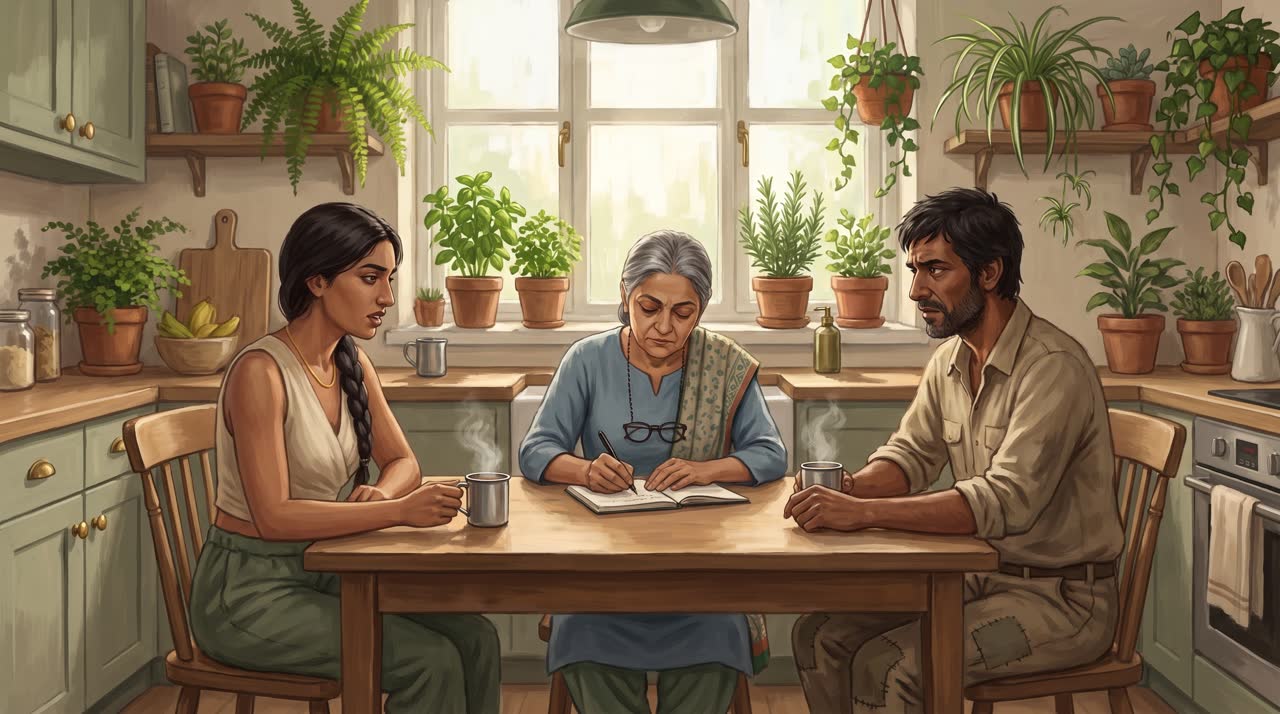
IMANAH gives them a list of unglamorous questions and expects them to be asked out loud, with somebody who loves you at the end of the table writing the answers down.
Karan grows vegetables. His hands are ruined, he has no savings, and he is not by any measure a catch. He goes first, because he knows that if he waits he will lose his nerve.
“Not what you eat. What happens in the kitchen. Whose kitchen. Who cooks, what goes in it, and what happens at your mother's house on a Sunday.”
It is the least romantic question anybody has ever asked her, and Anjali could cry with relief.
They talk about onions for forty minutes. It saves them nine years.
The same facts, a different marriage
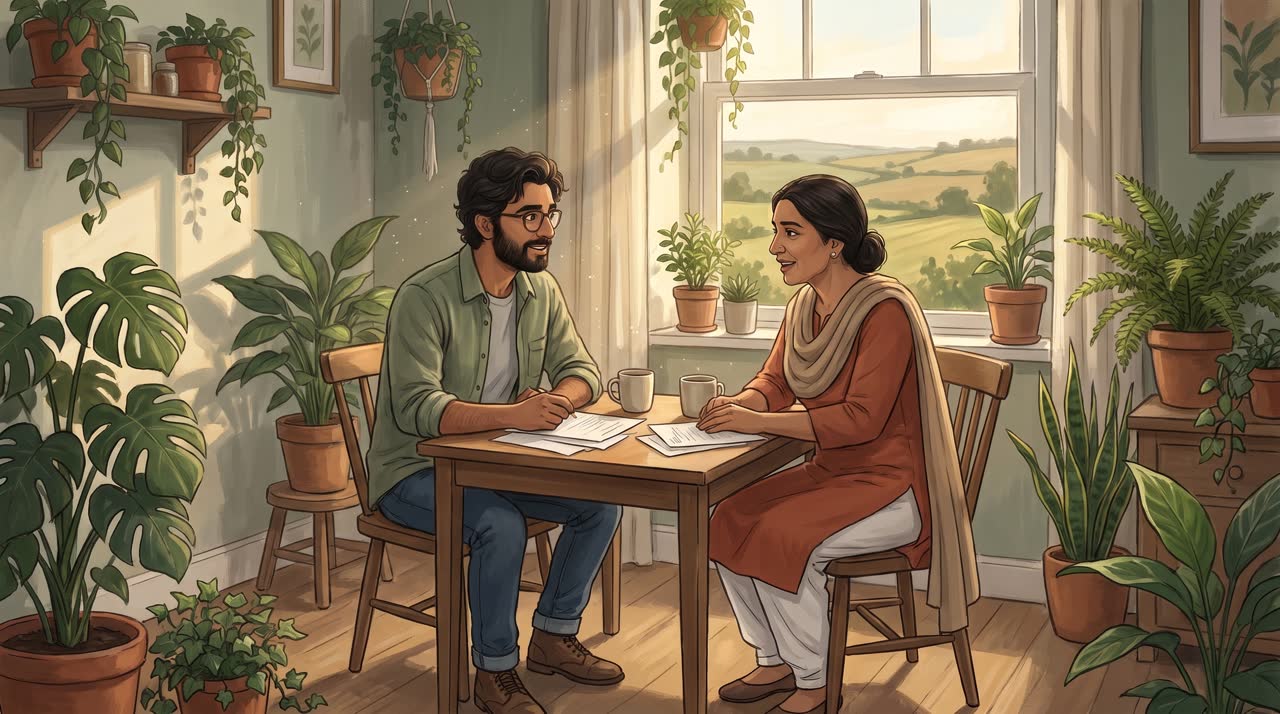
At another table, Rohan meets Meera. She practises Ayurveda. She is not romantic about the countryside — she grew up in one and knows exactly what it costs.
And Rohan says the thing he never said to Priya, in the first hour instead of the third year: I am not moving back. Not for a better job, not for your parents, not in five years. If that is wrong for you then it is wrong now, and I would rather you told me tonight.
Meera asks how far it is from a hospital, what the winters are like, and whether there is broadband.
Then she says yes. And they write down what happens if one of them changes their mind — because people do, and a marriage should be able to survive it.
One last question
There is one final question, and this is the one the whole story turns on.
Both people answer it separately. Both answers are written down and kept with everything else they agreed.
If you have a disagreement in your marriage — a real one, where neither of you is willing to move — how will you resolve it?
They answer it before they need it. While everybody is still calm, and still fond of each other, and still telling the truth.
It still happens
Two years pass, and then it happens, because it always happens.
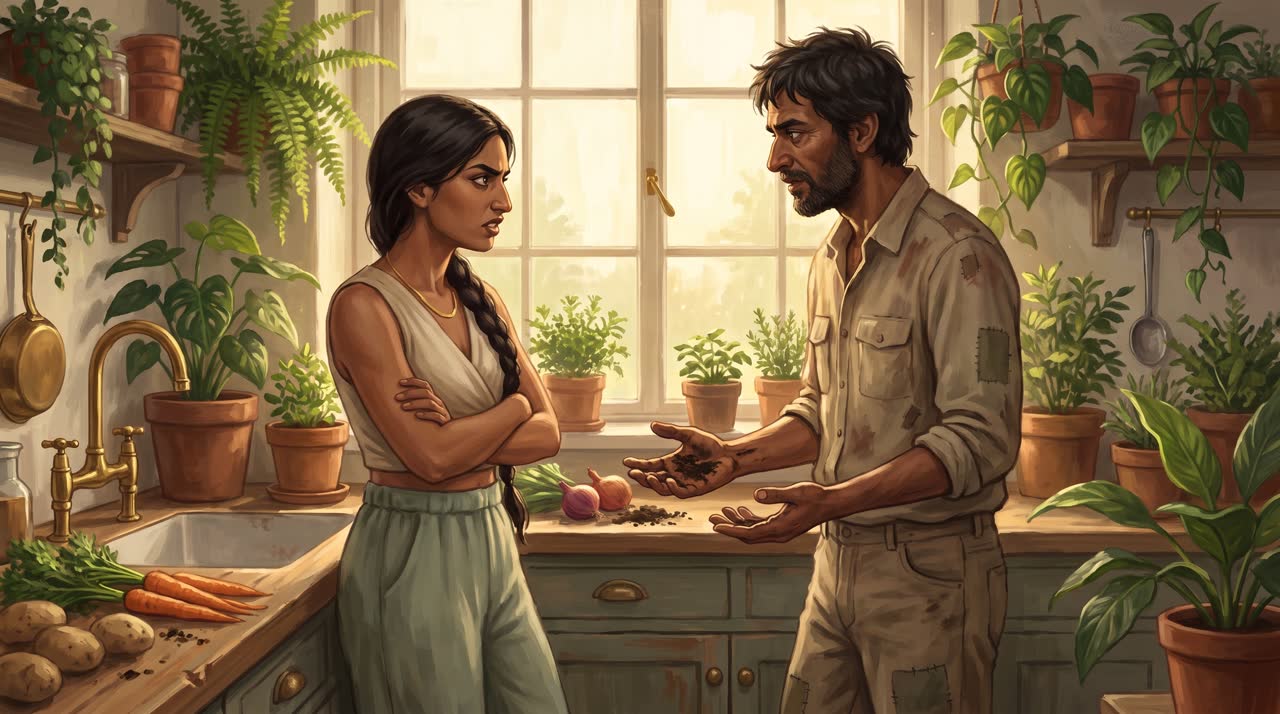
Karan's father has had a fall and cannot manage alone. Karan wants him to come and live with them. Anjali has spent two years building a home that runs at her own pace, in her own hours, in her own way — and she knows exactly what she is being asked to give up, because she has given it up before.
She says no, and then she hates herself for saying no, and then she says it again anyway.
They do not agree. Nobody is pretending they agree.
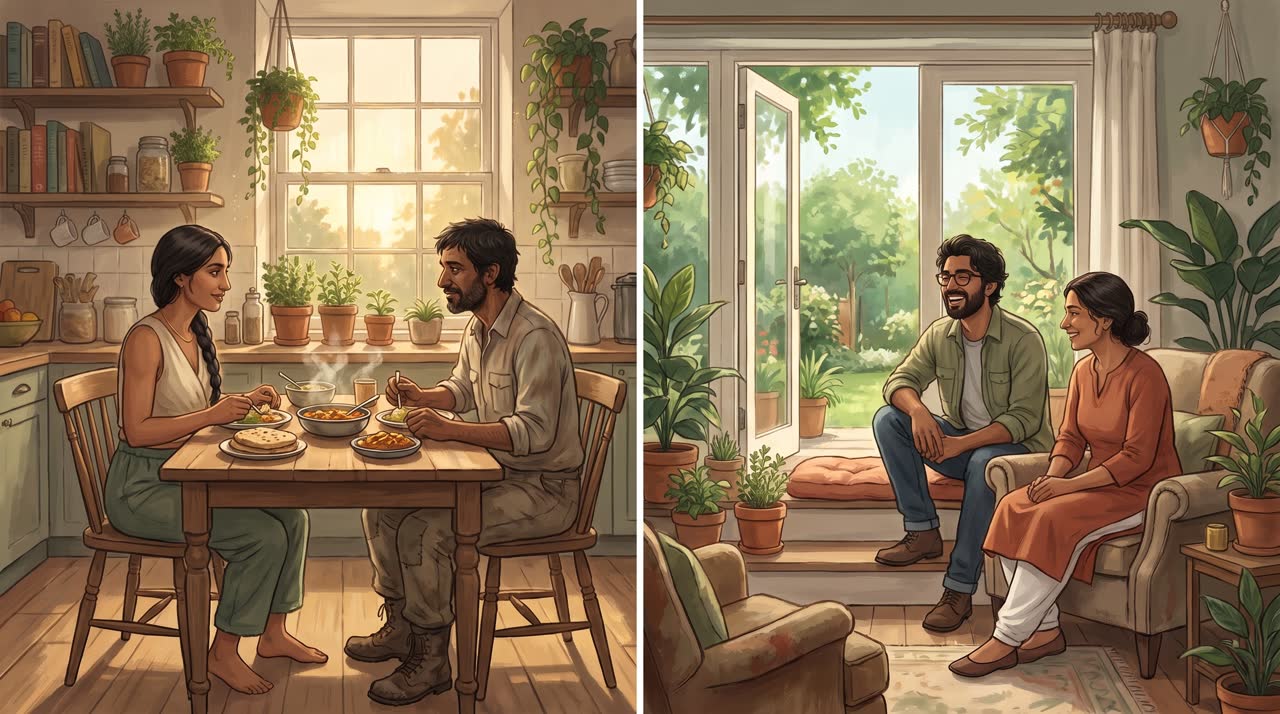
What actually saved them
What they have is the answer they wrote down before they needed it. Nothing important is decided the same night. If they are still stuck after a week, they ask somebody neither of them chose.
Karan's father comes for three months while the annexe is built, and not for ever, and not into the middle of the house. Anjali is still uneasy about it. Karan is still hurt that she was. Nobody won.
But nobody sat on a floor before dawn being politely waited out, and nobody found out something enormous two years too late.
So that is what IMANAH Match did.
It did not find them a perfect person, because there isn't one. It did not stop them arguing. It was free, all the way through, at every point where the others put up a wall or asked for four thousand dollars. It checked that people were who they said they were, so the man with the retreat and the deposit never reached her at all. It asked about the practice and not the label. It put her mother back in the room instead of leaving her outside it. And it made them say the awkward, unglamorous, entirely necessary things out loud and early — then wrote the answers down while everyone was still being honest.
Anjali never met Rohan. She never will.
But the same thing saved both of them, and it was not luck.
Somebody asked.
Start the honest way — free.
Verified profiles, your guardian in the room, and the real questions asked out loud. No paywall at the moment it matters.